ΘΕΜΑ: Lecture announcement, Nobel Laureate Prof.Reinhard Genzel , March 31, G. Lianis Amphitheater, FORTH | @14:00
ΑΠΟΣΤΟΛΕΑΣ: Τμήμα Δημοσίων Σχέσεων ΠΚ giota.diamanti@xxxxxx
Δημόσια Ομιλία του Νομπελίστα καθ. Reinhard Genzel στο ΙΤΕ
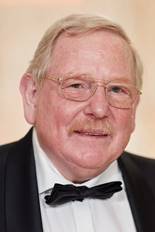
Αγαπητοί/ες συνάδελφοι,
Με χαρά σας ανακοινώνουμε ότι την Τρίτη, 31 Μαρτίου, o Καθηγητής Reinhard Genzel, βραβευμένος με το Νόμπελ Φυσικής 2020, θα δώσει ανοιχτή ομιλία στο Αμφιθέατρο Γ. Λιάνης του ΙΤΕ, στις 14:00, με θέμα «Ένα ταξίδι 40 ετών».
Η διάλεξη διοργανώνεται από το Ινστιτούτο Αστροφυσικής του ΙΤΕ και το Τμήμα Φυσικής του Πανεπιστημίου Κρήτης.
Ο καθ. Reinhard Genzel, είναι Διευθυντής στο Ινστιτούτο Max Planck Εξωγήινης Φυσικής στη Γερμανία, Καθηγητής της Μεταπτυχιακής Σχολής Φυσικής και Αστρονομίας στο Πανεπιστήμιο Καλιφόρνιας, Berkeley, ΗΠΑ, και Επίτιμος Καθηγητής Φυσικής, Πανεπιστήμιο Ludwig Maximilian, στο Μόναχο. Βραβεύθηκε με Νόμπελ Φυσικής το 2020, «για την ανακάλυψη ενός υπερμεγέθους συμπαγούς αντικειμένου στο κέντρο του γαλαξία μας».
Σχετικά με την Ομιλία του καθηγητή στο ΙΤΕ – ένα ταξίδι 40 ετών
Πριν από περισσότερα από εκατό χρόνια, ο Albert Einstein δημοσίευσε τη Γενική Θεωρία της Σχετικότητας. Ένα χρόνο αργότερα, ο Karl Schwarzschild έλυσε τις εξισώσεις της Γενικής Θεωρίας Σχετικότητας για μια μη περιστρεφόμενη, σφαιρική κατανομή μάζας· αν αυτή η μάζα είναι επαρκώς συμπαγής, ακόμη και το φως δεν μπορεί να διαφύγει από τον λεγόμενο ορίζοντα γεγονότων, και η μάζα παρουσιάζει ιδιομορφία στο κέντρο. Έτσι γεννήθηκε η θεωρία της «μαύρης τρύπας», η οποία βελτιώθηκε τις επόμενες δεκαετίες από το έργο των Penrose, Wheeler, Kerr, Hawking και πολλών άλλων. Τα πρώτα έμμεσα στοιχεία για την ύπαρξη τέτοιων μαύρων τρυπών στο Σύμπαν μας, προήλθαν από παρατηρήσεις συμπαγών δυαδικών συστημάτων ακτίνων Χ και μακρινών φωτεινών κβάζαρ.
Ο καθηγητής θα παρουσιάσει το σαραντάχρονο ταξίδι που έχει πραγματοποιήσει με τους συνεργάτες του για τη μελέτη της κατανομής μάζας στο κέντρο του Γαλαξία μας, μέσα από όλο και πιο ακριβείς και μακροχρόνιες μελέτες της κίνησης αερίων και άστρων ως δοκιμαστικών σωματιδίων του χωροχρόνου. Οι μελέτες αυτές δείχνουν την ύπαρξη ενός αντικειμένου μάζας τεσσάρων εκατομμυρίων ηλιακών μαζών, το οποίο, πέρα από κάθε αμφιβολία, πρέπει να είναι μια ενιαία υπερμεγέθης μαύρη τρύπα.
******************************************************
Public lecture by Nobel Laureate Prof. Reinhard Genzel at FORTH
Dear colleagues,
We are pleased to announce that, on Tuesday, March 31, the 2020 Nobel Laureate in Physics, Professor Reinhard Genzel, will give an open lecture for the broader scientific community, at the FORTH Amphitheater G. Lianis, at 14:00, entitled “A 40-year journey”.
The lecture is organized by the Institute of Astrophysics of FORTH and the Department of Physics of the University of Crete.
Professor Reinhard Genzel is Director of the Max Planck Institute for Extraterrestrial Physics in Garching, Germany; Professor at the Graduate School of Physics and Astronomy at the University of California, Berkeley, USA, and Honorary Professor of Physics at Ludwig Maximilian University of Munich. He was awarded the Nobel Prize in Physics “for the discovery of a supermassive compact object at the center of our galaxy.”
A 40-year journey
More than one hundred years ago, Albert Einstein published his Theory of General Relativity (GR). One year later, Karl Schwarzschild solved the GR equations for a non-rotating, spherical mass distribution; if this mass is sufficiently compact, even light cannot escape from within the so-called event horizon, and there is a mass singularity at the center. The theoretical concept of a 'black hole' was born, and was refined in the next decades by work of Penrose, Wheeler, Kerr, Hawking and many others. Therefore, a black hole is a supermassive compact object with a gravitational force so large that nothing, not even light, can escape from it. Since nothing, not even light, can escape black holes, they can only be observed by the radiation and the movement of nearby objects. First indirect evidence for the existence of such black holes in our Universe came from observations of compact X-ray binaries and distant luminous quasars.
Since the 1990s, Reinhard Genzel and Andrea Ghez with their respective research teams, have developed and refined techniques for studying the movement of stars. Prof. Reinhard will present the forty-year journey which he has been undertaking with his colleagues to study the mass distribution in the Center of our Milky Way from ever more precise, long term studies of the motions of gas and stars as test particles of the space time. Observations of stars in the area around Sagittarius A* in the middle of our galaxy, the Milky Way, revealed the existence of a four million solar mass object, which must be a single massive black hole, beyond any reasonable doubt.